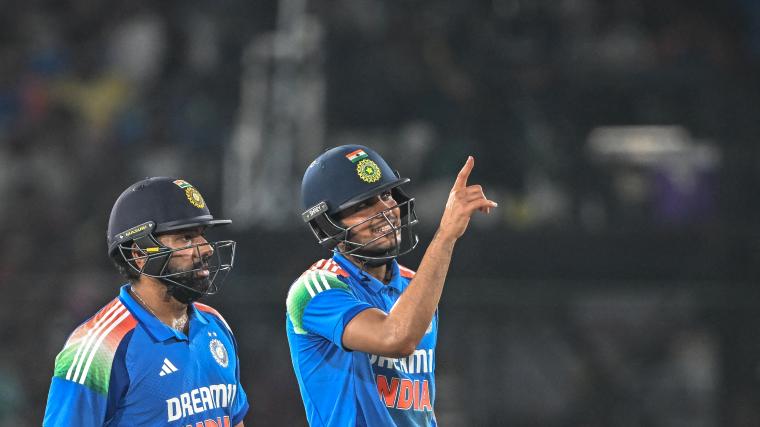
India’s thrilling victory over England in the second ODI at the Barabati Stadium in Cuttack was marred by a major technical glitch that resulted in a floodlight failure, causing a delay of over 30 minutes. The hosts managed to secure their 12th ODI series win against England, but the unexpected disruption raised concerns about the stadium’s infrastructure.
Challenges Faced in the Match
The match between India and England at the Barabati Stadium faced unexpected challenges when one of the floodlight towers malfunctioned, leading to a significant delay. The disruption not only affected the players but also inconvenienced the spectators, prompting an official response to investigate the incident.
Official Response to the Disruption
In the aftermath of the floodlight failure, the Odisha government’s Director of Sports, Siddhartha Das, issued a show-cause notice to the Odisha Cricket Association (OCA). The notice demanded a detailed explanation for the technical failure, identification of those responsible, and measures to prevent similar incidents in the future.
Notice Recipients
The show-cause notice was specifically addressed to OCA Secretary Sanjay Behera and CEO Subrata Behera. With Subrata Behera’s background as a former cricketer with experience in first-class and List-A matches, he will play a key role in responding to the inquiry and addressing the concerns raised by the authorities.
Pressure on the Odisha Cricket Association
As the OCA faces increased scrutiny over match-day preparations, the association is under pressure to ensure that technical failures like the floodlight malfunction do not impact future international fixtures at the Barabati Stadium. The incident has highlighted the need for robust infrastructure and effective contingency plans to avoid disruptions during crucial matches.
Details of the Notice
The official communication from Siddhartha Das directed the OCA to submit a comprehensive report within 10 days, explaining the root cause of the disruption, identifying the individuals or entities responsible for the lapse, and outlining steps taken to prevent similar incidents in the future. The notice emphasized the inconvenience caused to both players and spectators due to the 30-minute delay in the match.
In conclusion, while India celebrated their ODI series victory over England, the technical glitch at the Barabati Stadium served as a reminder of the importance of maintaining high standards of infrastructure and operational efficiency in hosting international cricket matches. The OCA’s response to the show-cause notice will be crucial in addressing the concerns raised and ensuring smooth conduct of future fixtures at the venue.
Improving Infrastructure and Preventing Technical Glitches
The incident at the Barabati Stadium has underscored the critical need for sports venues to prioritize infrastructure maintenance and upgrade to prevent technical glitches during crucial matches. As cricket matches attract a global audience and demand precision and reliability in broadcasting, lighting, and other technical aspects, stadiums must invest in the latest technology and regular maintenance to avoid disruptions.
Technology Upgrades and Maintenance Protocols
To mitigate the risk of future technical failures, sports venues like the Barabati Stadium should consider implementing technology upgrades, such as automated monitoring systems for floodlights and power supply, to detect issues proactively. Additionally, establishing robust maintenance protocols, including regular inspections and testing of equipment, can help identify potential vulnerabilities and address them before they escalate into larger disruptions.
Collaboration with Technical Experts
Collaborating with technical experts in sports infrastructure and event management can provide valuable insights and best practices for ensuring the seamless operation of stadiums during matches. By leveraging the expertise of professionals in the field, sports venues can enhance their preparedness for unforeseen challenges and optimize their infrastructure to meet international standards.
Enhancing Contingency Plans and Emergency Response
In addition to maintaining top-notch infrastructure, sports venues must develop comprehensive contingency plans and emergency response procedures to address technical failures promptly and minimize disruptions. Having designated teams trained in troubleshooting technical issues, as well as clear communication protocols with relevant stakeholders, can streamline the response to unforeseen incidents and ensure minimal impact on the overall match experience.
Mock Drills and Simulation Exercises
Conducting mock drills and simulation exercises focused on handling technical failures can help stadium staff and officials familiarize themselves with emergency protocols and test the effectiveness of contingency plans. By simulating various scenarios, including floodlight failures, power outages, or equipment malfunctions, sports venues can identify areas for improvement and refine their response strategies to enhance overall operational resilience.
Continuous Evaluation and Improvement
To stay ahead of potential technical challenges, sports venues should prioritize continuous evaluation and improvement of their infrastructure, contingency plans, and emergency response mechanisms. Regular audits, feedback collection from stakeholders, and post-event debriefs can provide valuable insights for refining processes, addressing vulnerabilities, and enhancing overall operational efficiency to deliver world-class sporting experiences.
In conclusion, while the victory of Team India over England in the second ODI was a momentous occasion, the technical glitch at the Barabati Stadium serves as a valuable lesson in the significance of proactive infrastructure management, robust contingency planning, and efficient emergency response. By prioritizing these aspects, sports venues can elevate the spectator experience, uphold the integrity of international matches, and ensure seamless operations during high-profile sporting events.